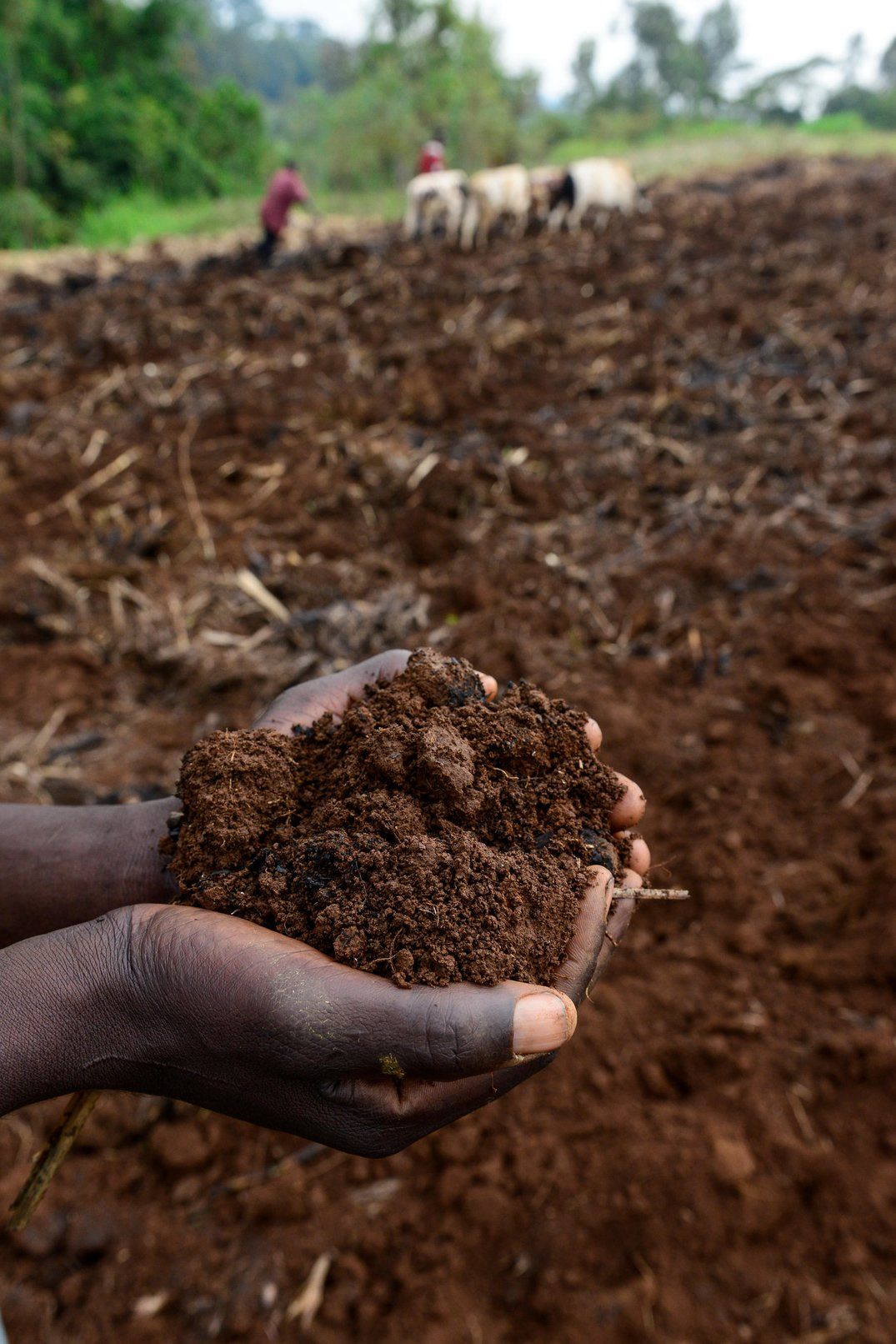

Returning carbon back to the soils.

The Problem

Agricultural waste is releasing avoidable emissions. Soil degradation is reducing resilience to climate change, lowering yields and increasing vulnerability for smallholder farmers in the Global South. Together, these factors are putting pressure on the climate and those most exposed to its impacts.


Climate change is already here
Climate change is already here, and its impacts are being felt around the world.
Africa faces a disproportionate burden, with rising temperatures, prolonged droughts and increasing crop failures putting pressure on people, ecosystems and food systems.
Waste bagasse is releasing greenhouse gas emissions
A single sugar mill can produce over 1,000 tonnes of bagasse each day, creating a serious waste challenge.
The volume is so large that it is often left in open heaps, where it decomposes anaerobically and releases CO2, methane and acidic leachate into the environment.
Healthy soil is a finite resource
Healthy soil takes thousands of years to form, yet it is being degraded in a single lifetime.
As soil organic carbon declines, soils lose fertility, structure and their ability to hold water and nutrients, making land less productive, less resilient and less capable of storing carbon.
Smallholders are more vulnerable
Intensive farming and declining soil health are reducing smallholders' incomes and leaving them more exposed to climate change.
As soils lose carbon, yields fall and farmers depend on more fertiliser just to maintain production, leaving them with lower incomes and fewer options to adapt.

Our Solution

Returning carbon to the soils

We carbonise waste bagasse into biochar, preventing the release of CO2 and methane by locking the carbon into a stable form for at least 1,000 years. We donate this biochar to sugarcane farmers at no cost, providing on-the-ground training to help them get the most out of it.

Better soils, better livelihoods

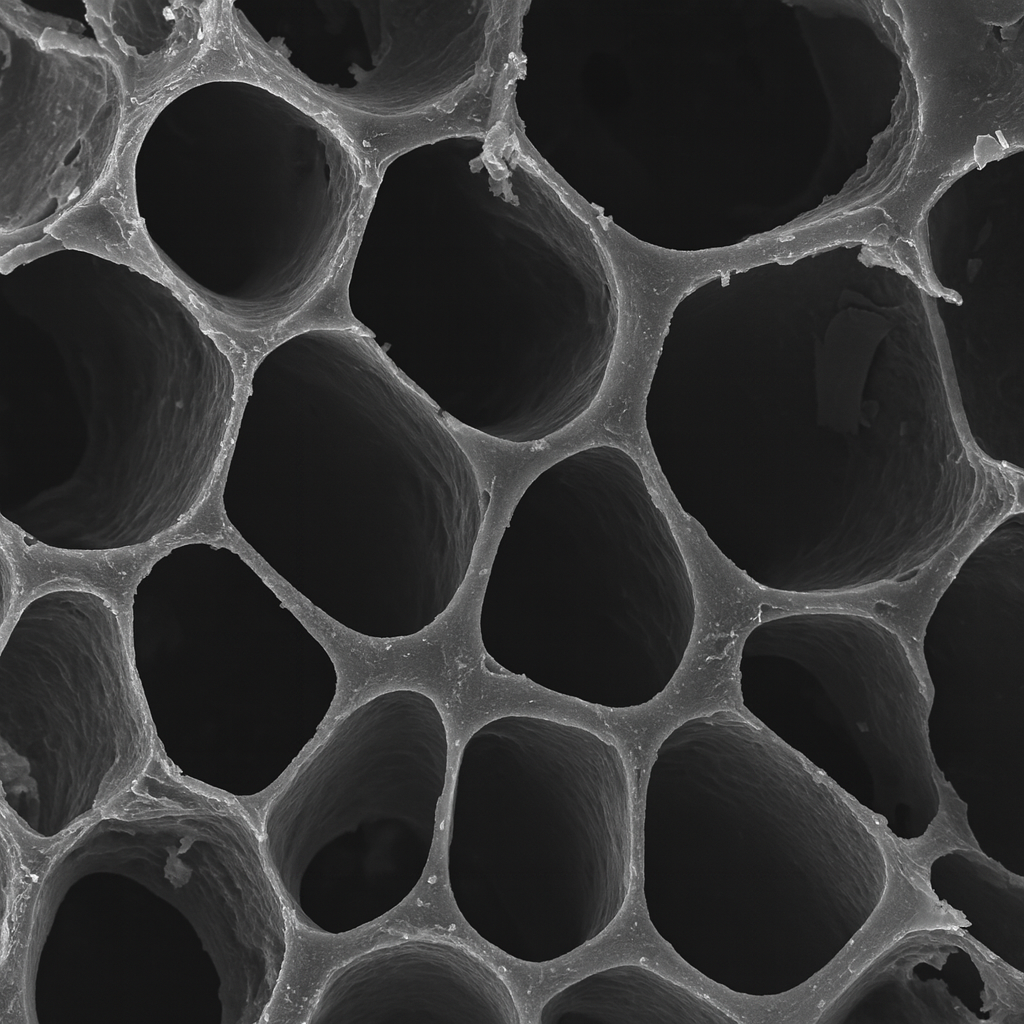
Biochar rebuilds soil health by increasing organic carbon, improving structure, and helping soils hold more water and nutrients. This boosts yields and reduces fertiliser needs, lowering costs and increasing incomes for smallholder cane farmers, whilst creating healthier soils that are more resilient to climate change.

Rebuilding soils, supporting smallholders, strengthening climate resilience.

Soil is one of the planet's most powerful tools to fight climate change.

By rebuilding soil organic carbon with our biochar, we turn degraded soils into lasting carbon sinks that benefit both rural communities and the planet.

Our Commitment

We are committed to contributing towards the following Sustainable Development Goals with our biochar carbon removal projects.
No Poverty
Our biochar projects boost sugarcane yields and reduce reliance on costly fertilisers, helping smallholder farmers build financial stability. This strengthens their resilience and reduces vulnerability to economic and environmental shocks.
Zero Hunger
Biochar helps build soil fertility, boost sugarcane yields, and improve resilience to drought. This supports sustainable food production and resilient agricultural systems, enhancing food security in vulnerable regions.
Gender Equality
Our biochar projects promote equal participation in decision-making across all operations. We support equal opportunity and financial independence by empowering women to take on leadership roles and ensuring equitable pay.
Climate Action
Our biochar projects lock carbon into a stable form, creating a lasting carbon sink and helping rebuild soil organic carbon. This strengthens the resilience of the land, and of the communities that depend on it, against climate-related disasters.
Life on Land
Biochar improves soil structure, nutrient retention, and water-holding capacity, helping to reverse land degradation and build resilience to drought. It also enhances soil microbial life, supporting healthier ecosystems and greater biodiversity.
No Poverty
Our biochar projects boost sugarcane yields and reduce reliance on costly fertilisers, helping smallholder farmers build financial stability. This strengthens their resilience and reduces vulnerability to economic and environmental shocks.
Zero Hunger
Biochar helps build soil fertility, boost sugarcane yields, and improve resilience to drought. This supports sustainable food production and resilient agricultural systems, enhancing food security in vulnerable regions.
Gender Equality
Our biochar projects promote equal participation in decision-making across all operations. We support equal opportunity and financial independence by empowering women to take on leadership roles and ensuring equitable pay.
Climate Action
Our biochar projects lock carbon into a stable form, creating a lasting carbon sink and helping rebuild soil organic carbon. This strengthens the resilience of the land, and of the communities that depend on it, against climate-related disasters.
Life on Land
Biochar improves soil structure, nutrient retention, and water-holding capacity, helping to reverse land degradation and build resilience to drought. It also enhances soil microbial life, supporting healthier ecosystems and greater biodiversity.

Carbon Removal Credits

The voluntary carbon market enables us to donate our biochar to smallholder farmers at no cost.

Carboneyes creates high-quality carbon removal credits, permanently storing carbon in the soil for at least 1,000 years. Our model delivers healthier soils, greater climate resilience and meaningful support for smallholder sugarcane farmers, whilst funding ongoing research and development in soil science.
We aim to remove over 500,000 tonnes of CO2 from the atmosphere by 2030.
500,000
We aim to donate over 200,000 tonnes of biochar to smallholder sugarcane farmers by 2030.
200,000
We aim to support more than 50,000 farmers across rural communities by 2030.
50,000